
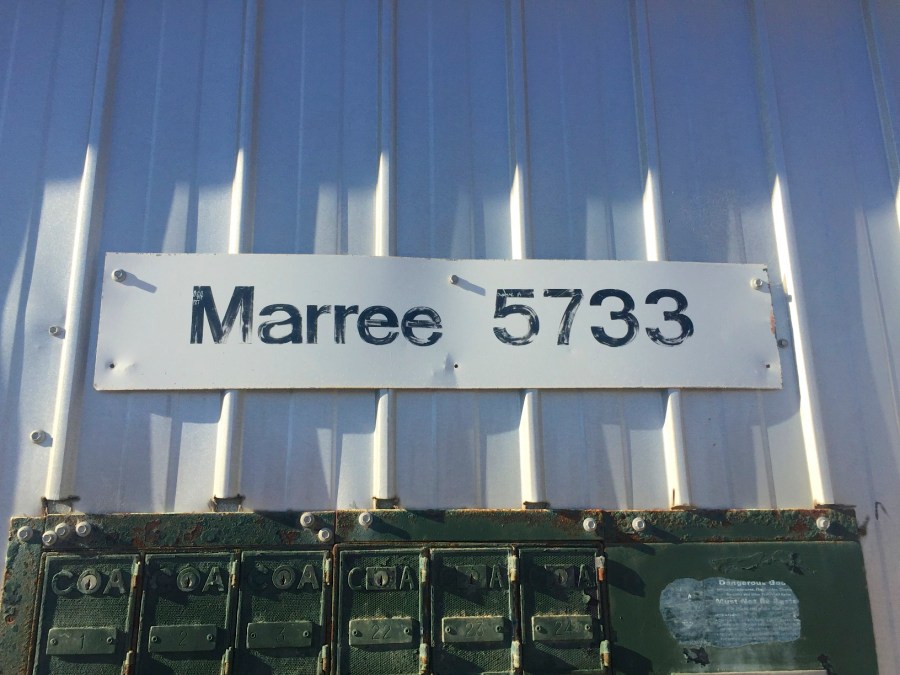
The roads to Marree we in good condition. After a bit of blacktop it was dirt the rest of the way, but easy driving. With not a cloud in the sky (pretty normal weather for this part of the trip) and mid 20’s temperature, we were happy to be in the comfort of the air conditioned car. The other benefit of being in the car was the lack of flies which were very effective at surrounding your face the minute you stepped out of the car.
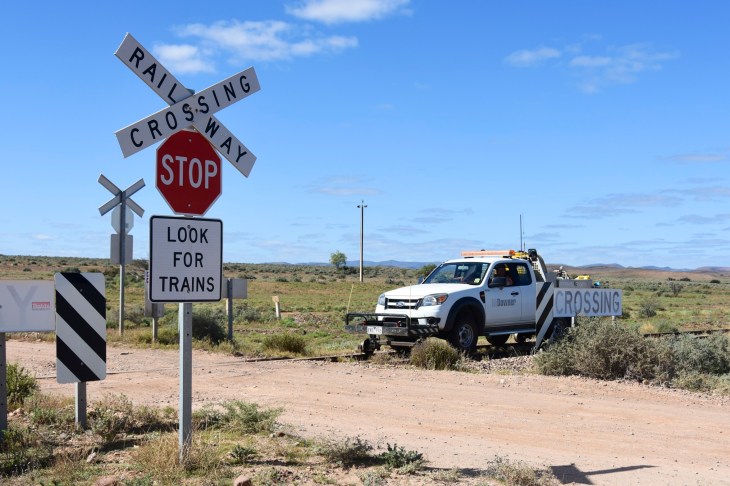
After a brief stop to watch a car specially modified to drive along the train tracks (a bit of a surreal sight in the middle of nowhere), we swung by Leigh Creek to restock our food from their surprisingly large and well stocked supermarket. Leigh Creek seems to be a custom made town for mining with a very modern and planned out road network and in much better condition than any other town we had seen.
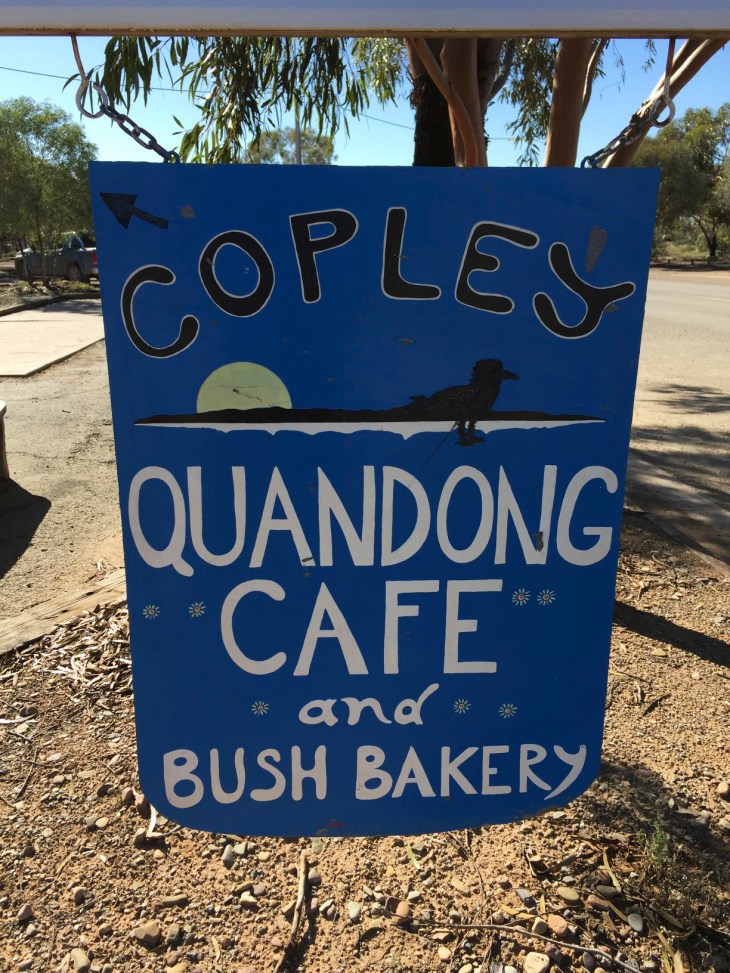
We then stopped in a tiny town called Copley which we would have driven straight by if it hadn’t been for some good friends from Sydney sharing their surname with the town’s name. Hoping for some nice baked treats from their advertised bakery to enjoy on the road, we were a little disapointed to find almost nothing in the shop. They did however claim to be specialists in quandongs so we bought a quondong ice-cream sandwich and shared it out the front. Not bad, with a subtle strawberry flavour but not quite the delicious baked treat we were hoping for.
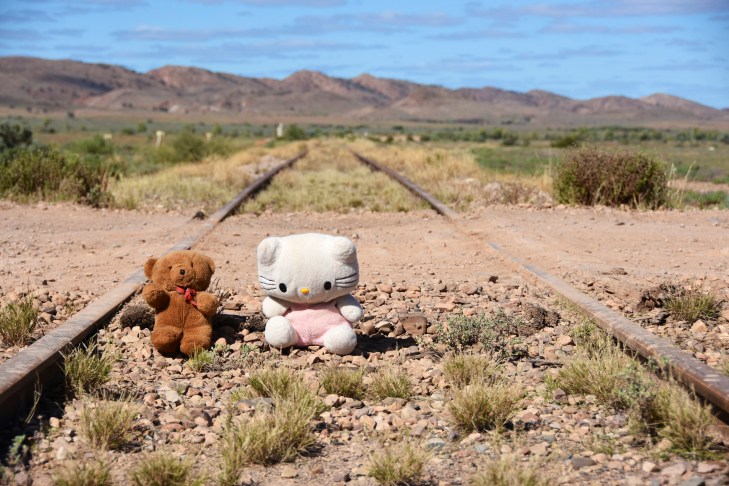
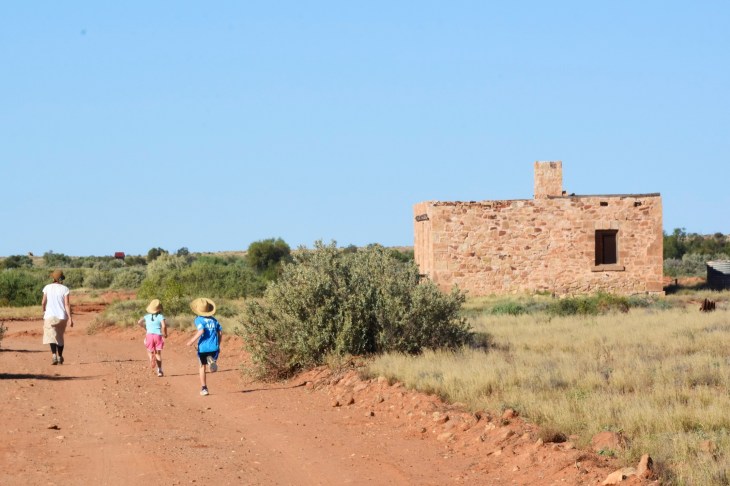
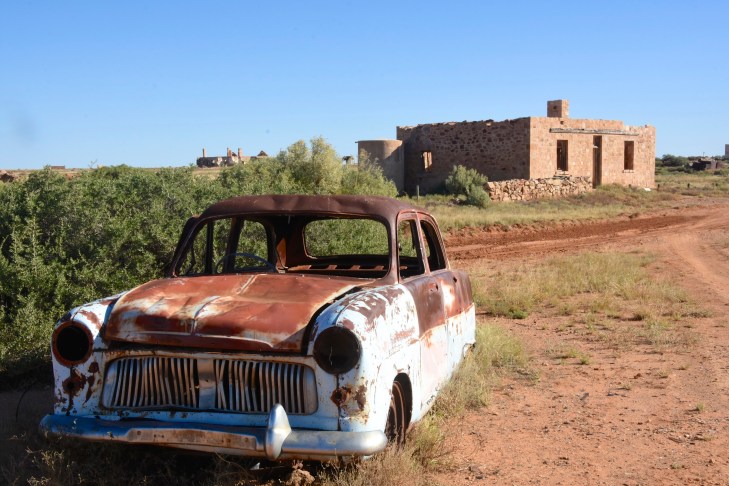
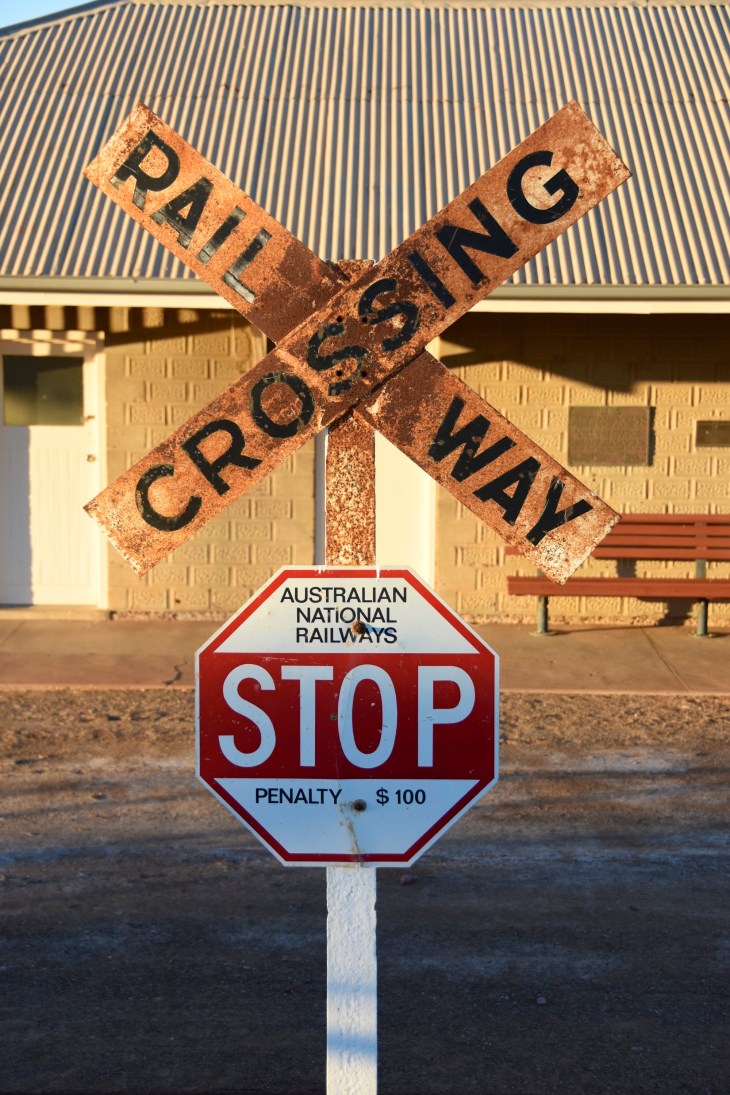
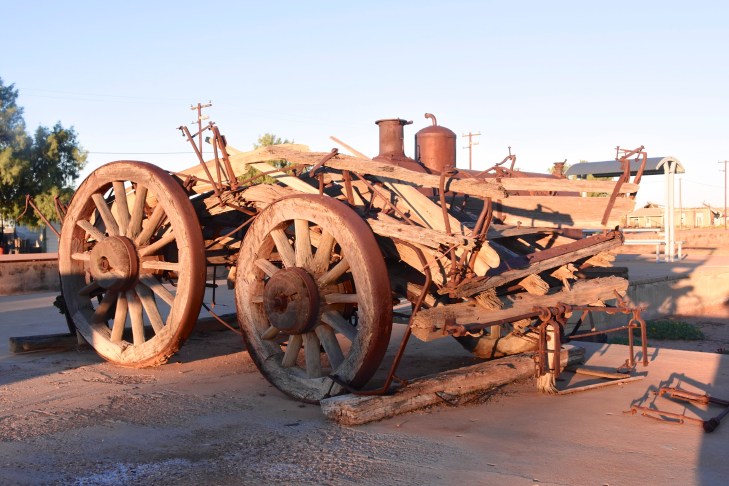
All along this stretch of road, we were following the Old Ghan Railway line that used to exist between Port Augusta and Alice Springs, before it was moved to follow the Stuart Highway. There are relics all along the way, from the track itself with sleepers, ruined tracks and bridges, along with sidings and water towers at regular intervals, many still intact, which fed the thirsty steam engines as they carried goods and people between the north and south of the country. Many townships that existed along this line to support this critical transport route have since dried up since this section of the Ghan was decommissioned. One of the best preserved examples of this is a town called Farina, so called as it was to be a wheat producing area until it was realised there was not enough rainfall to support wheat crops. Today the town is unpopulated, but still contains a number of stone ruins of many of the original buildings. We stopped to explore the area, and the kids had a great time running in and out of the buildings via doorways and broken walls, while we imagined what life must have been like living in this harsh climate without modern luxuries. After a quick game of hide and seek, it was time to push on to Marree.
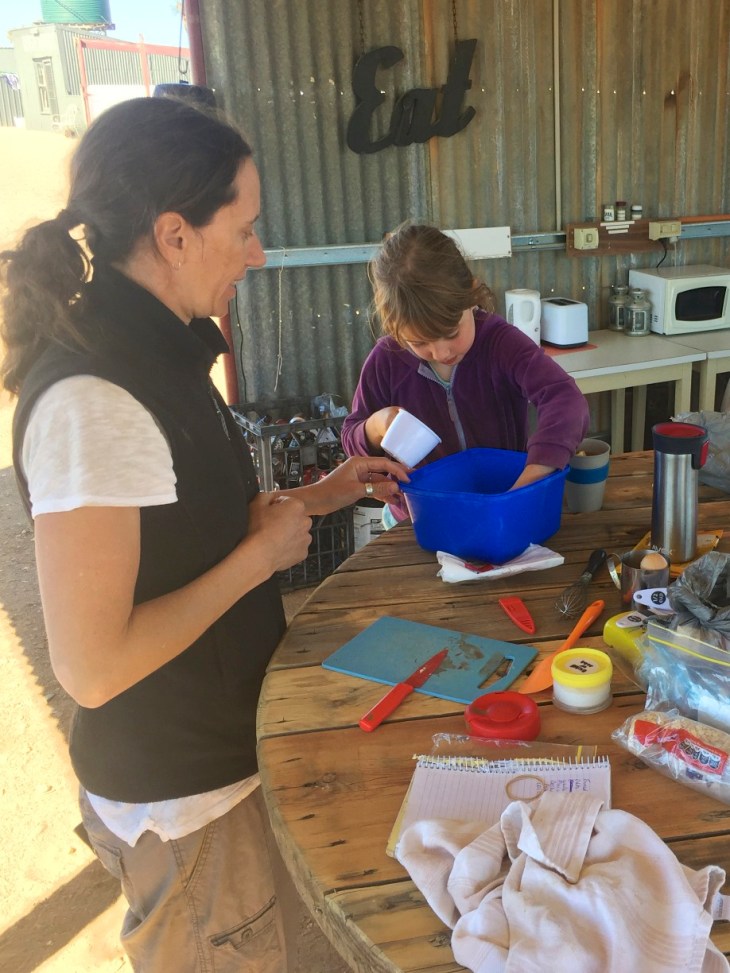
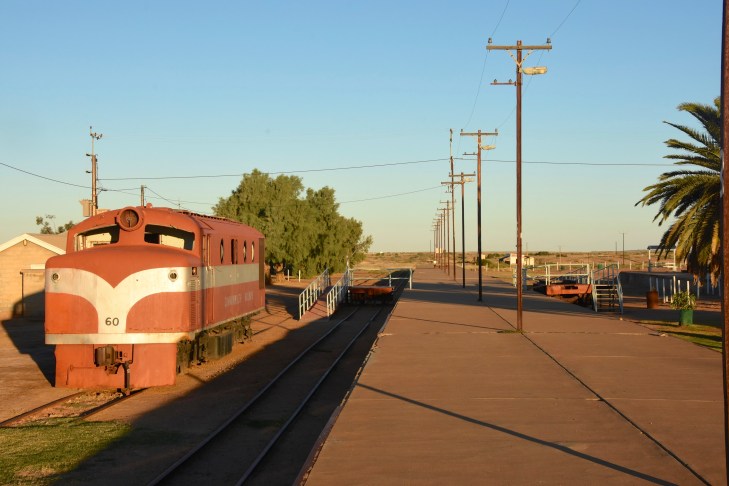
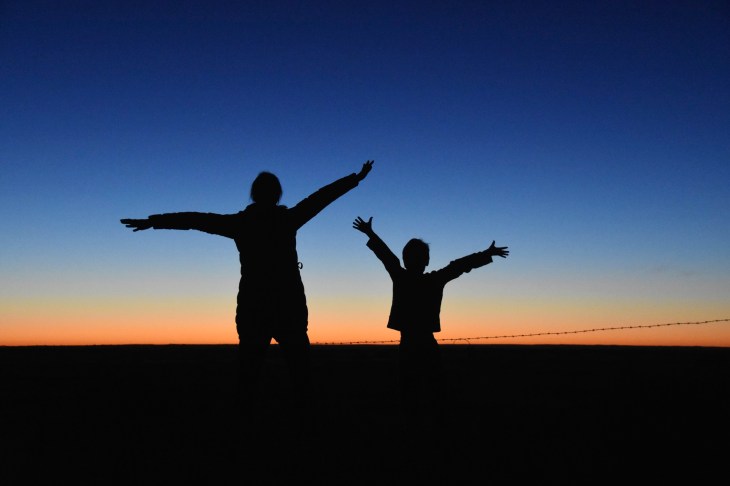
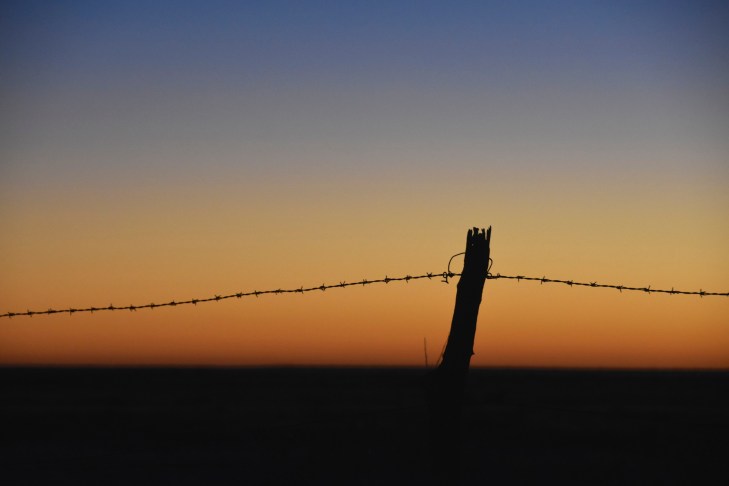
Marree itself is a small town with limited attractions for the traveller. We stayed for a couple of days here to do some washing and cooking, but mainly to plan our route for the next couple of weeks. In spite of having a fairly good plan of where we wanted to go on our adventure, some places from our original route were cut out, and others were added along the way, so we still needed to work out where we would stop, and which campgrounds we would stay in for a week or two in advance. Stu also took the kids to check out the old station which had a couple of original engines from the Ghan, and the flat country surrounding our campground offered uninterrupted views of the morning sun, which slowly rose from the horizon like a phoenix rising from the flames, creating an amazing range of horizontal bands of colour across the natural canvas of the sky. Still being early in the season, we pretty much had the campground to ourselves, only sharing it with couple of other travellers, including a lovely family from Manly that we had met in our last few days at Mount Little, so the kids had some playmates for a couple of days which was great.
As we packed up on our last day in Marree, we were Excited to be heading north along the iconic Oodnadatta Track, which would take us past many interesting sights on the way to Oodnadatta.
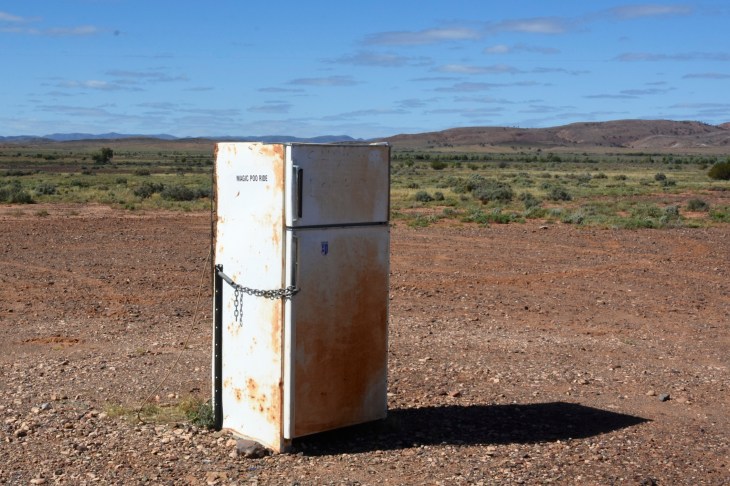


I can’t believe you’ve found that Fridge I lost….
LikeLike
Yeah, unfortunately you padlocked it so I couldn’t pinch your beers
LikeLike