
Within a couple of minutes of leaving the caravan park at Morree we were on the famed Oodnadatta Track, the huge sign we passed confirming its open status. We planned to follow the track as far as Oodnadatta before cutting back down to Coober Pedy. Although there was grass and shrub cover along the sides of the track, it still looked very dry out here, the track itself nothing more that a straight, undulating, rocky road. As we continued along the track, it would become more and more inhospitable. The brownish patches of grass were interrupted by large areas of deep red rocky patches, the colour revealing the high concentration of iron in the area.
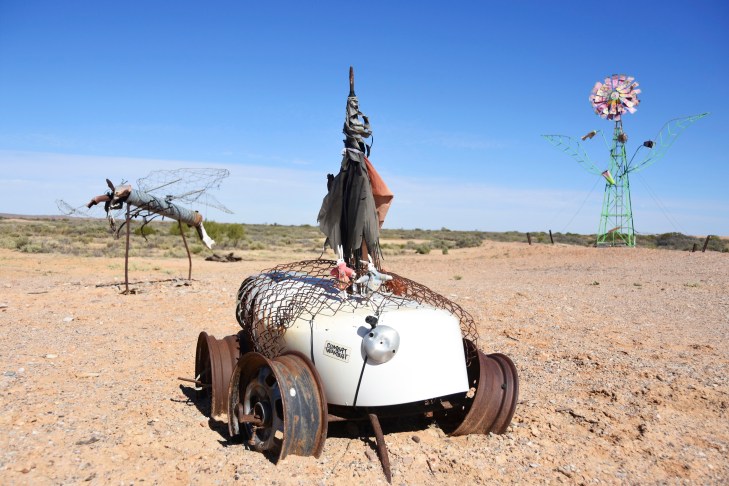
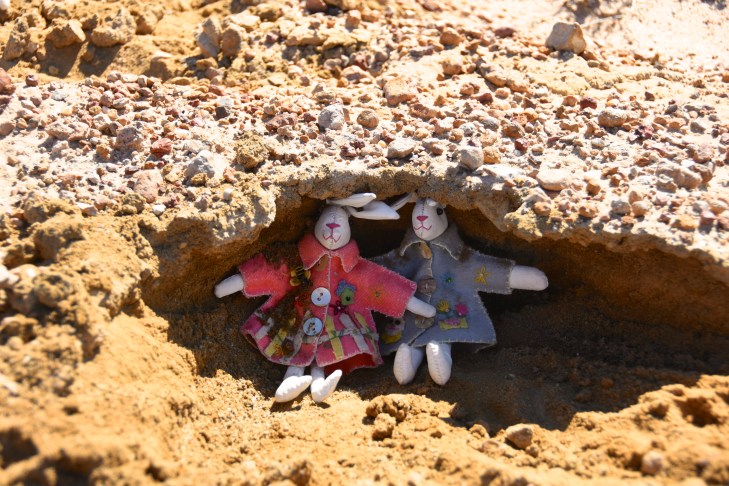
After about an hour, the horizon began to slowly reveal the unusual sight of a couple of small planes ‘standing’ on their tails, with wings outstretched like arms welcoming us to some bizarre airport. We were literally in the middle of nowhere, and by the side of the road we pulled in to what was in fact the Mutona Sculpture Park. Created by Robin Cooke, a retired mechanic from Victoria, the park contained a couple of dozen sculptures made from recycled waste. We spent about an hour wandering through the area, amazed by the detail and creativity of the sculptures depicting humans, animals and other things, and the kids tapped into their artistic side by taking some funky photos. It was the most surreal and wonderful art gallery we had ever visited.
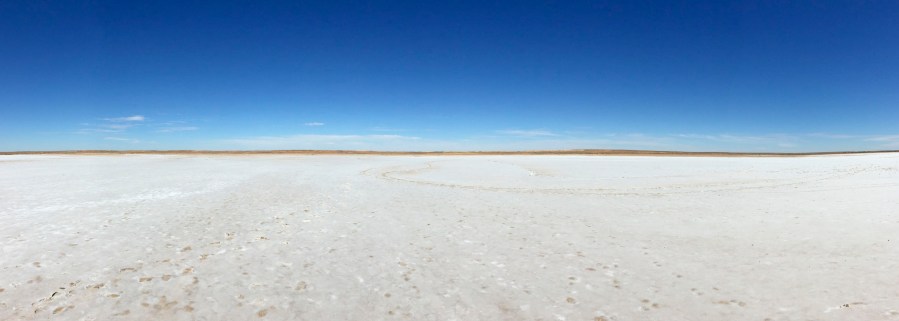
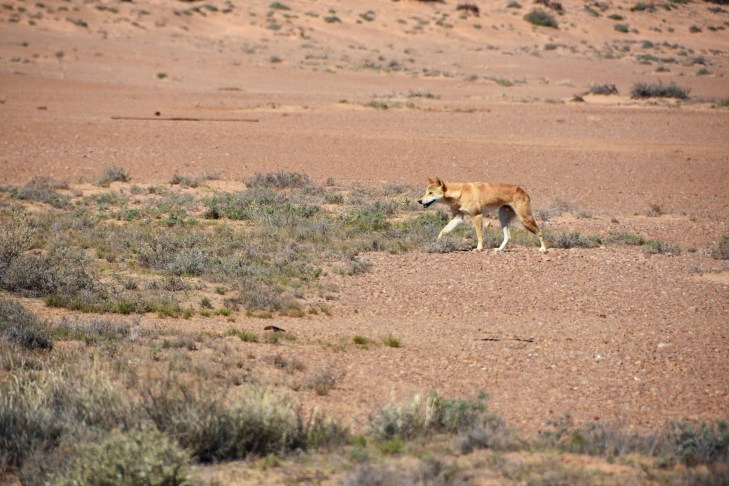
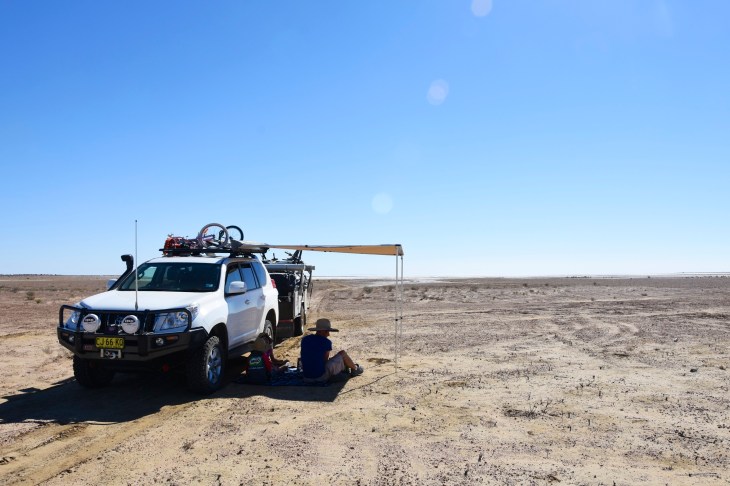
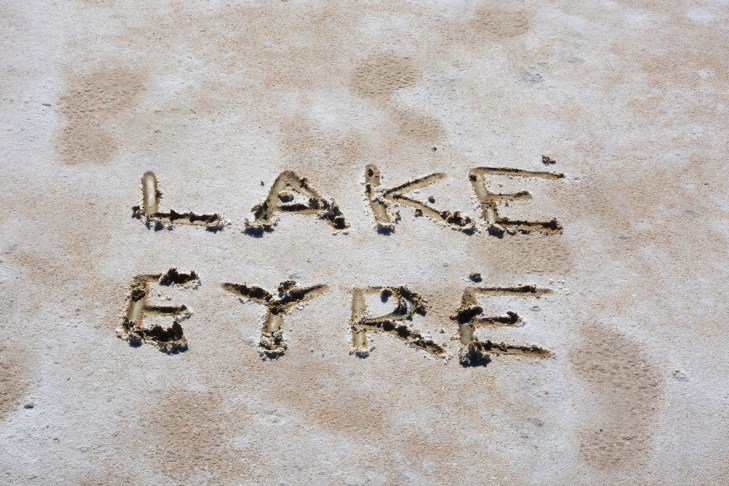
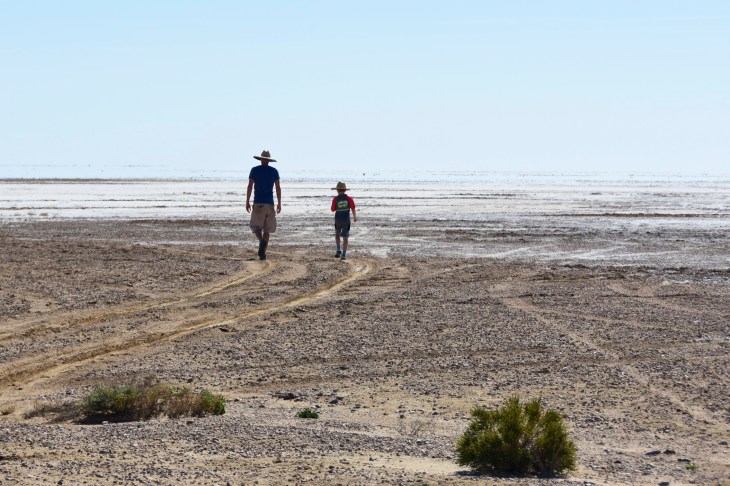
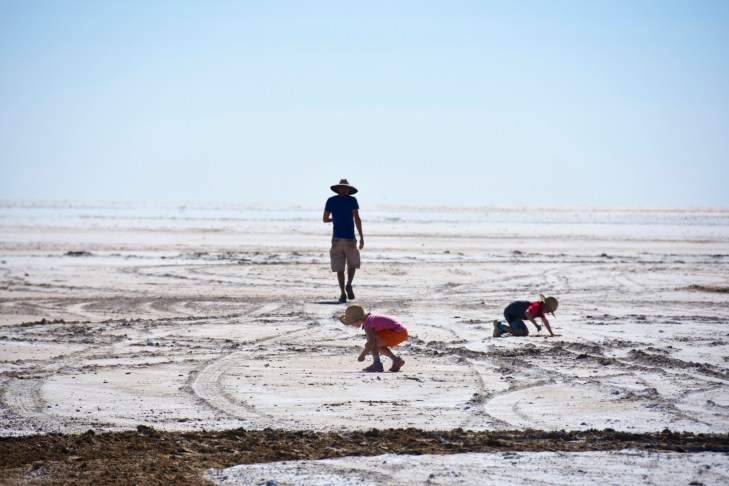
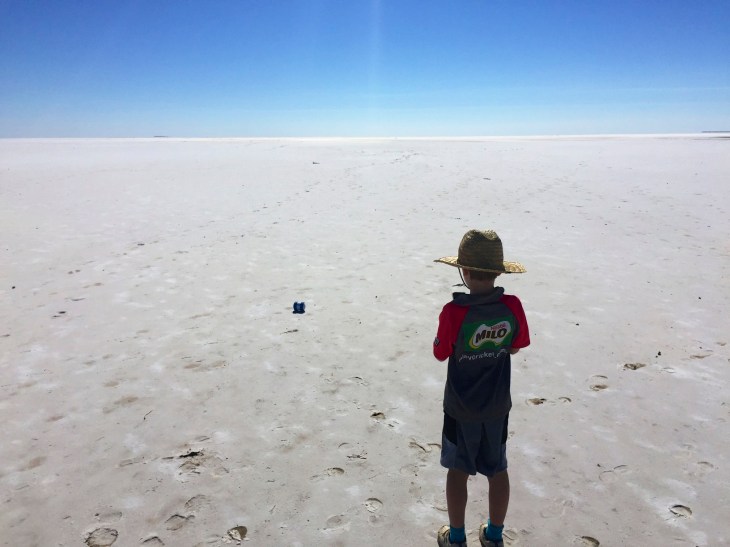
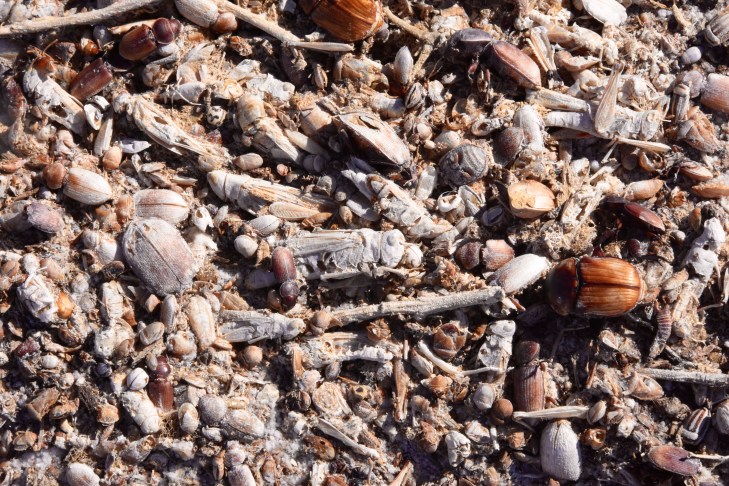
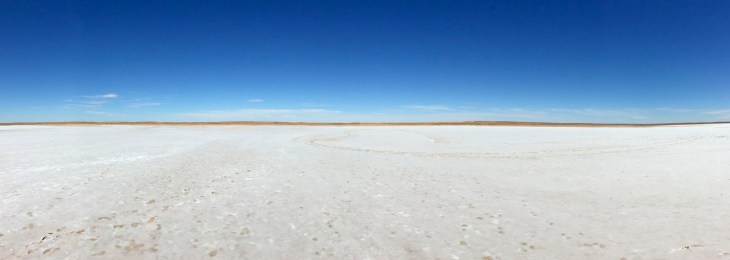
We finally pushed on, and as we continued along the track, we noticed white patches on the ground that spread out on each side of us. We tried to convince the kids it was snow but they didn’t buy it. That morning we had told them that we would be visiting Lake Eyre today and they had been excited about it all morning, so these white glimpses helped fend off the boredom of this stretch of the drive as the anticipation grew. Before long, we could see the mirage like mirror on the horizon – Lake Eyre was up ahead, but there was just one issue – how did we find and access the edge of it so we could head out and explore it. We wanted to get as close as possible so we didn’t have to walk too far in the extreme heat, but if we drove too close we would risk getting bogged in the dark mud that lies just beneath a very thin crust of salt on the lake. After a few wrong turns, and an encounter with a rather tired and thirsty looking dingo, we found a place we could park the car and have some lunch under the car awning before heading out onto the lake. We had a ball out there, with the kids drawing in the salt and making hand an foot prints in it. While Oli took his Ollie robot racer for a spin on the perfectly flat surface, Em proceeded to cover her hands in the black mud that hid beneath the salty crust. On the way back to the car we found an ‘insect cemetery’ which was full of beetles and grasshoppers that must have congregated in one of the few remaining pools of water when the rains last came through. We got back in the car and less than 5 minutes further down the road we discovered the official Lake Eyre lookout where we stopped for a quick look and a chat with some fellow travellers before continuing on.
As we followed the track further towards Oodnadatta, we saw many relics of the old Ghan railway line, including water tanks and sidings. We stopped at one of the best preserved sidings at Curdimurka. The building was still standing and had various rooms, all with fireplaces. In the current heat it was hard to believe that fires would be needed. The water tank and desalination plant were still intact, along with storage sheds for the cargo the trains used to transport. The kids really enjoyed exploring the area and played a few rounds of hide and seek.
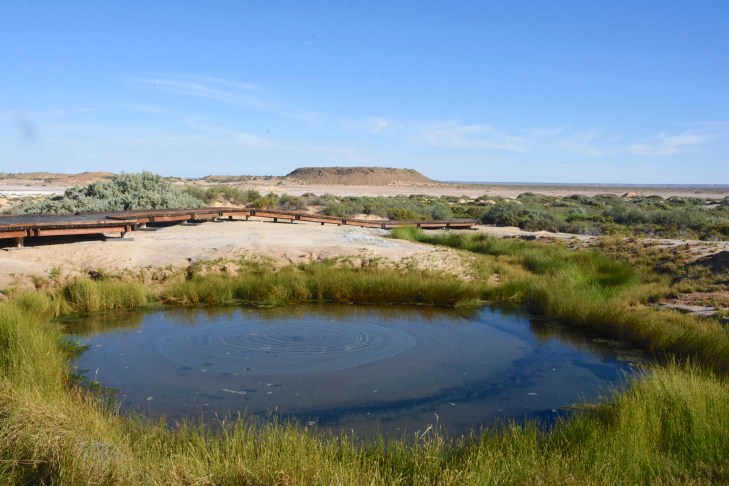
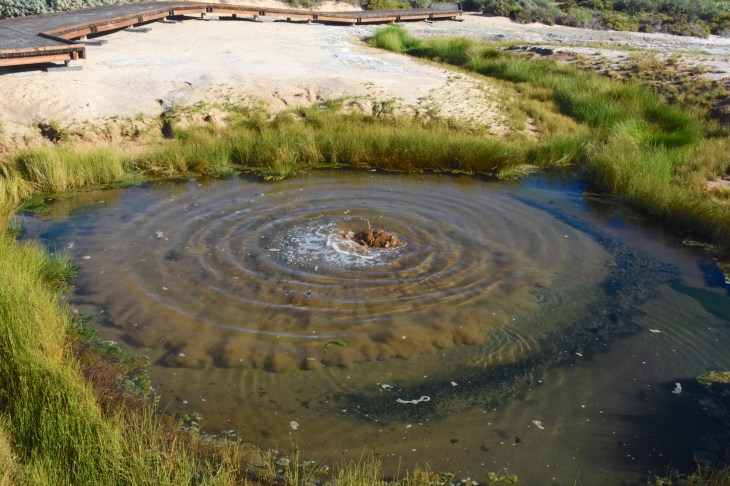
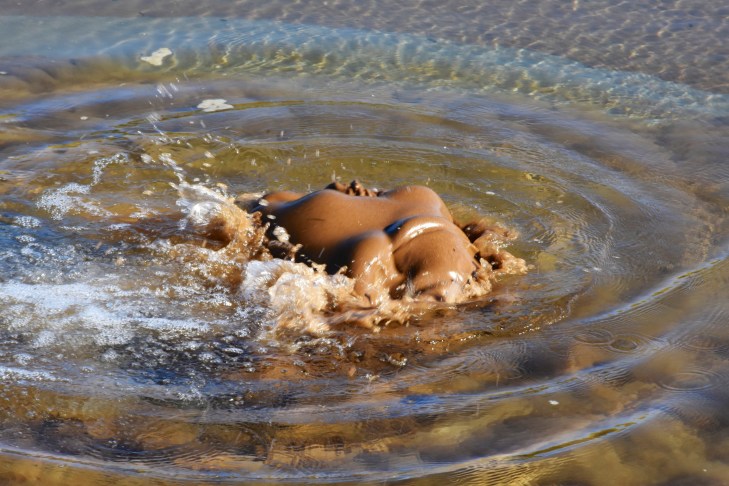
We made one more stop before reaching our final destination of Coward Springs. People we had met at the Lake Eyre lookout had suggested we visit Mount Springs, which were just a few kilometres off the main road. A boardwalk lead us up to ‘the bubbler’, an natural artesian spring which has a generally gentle flow of water feeding into it. The spring created a lush oasis in an otherwise dry and rocky landscape. The spring gets it name from the increase in flow of water that happens at regular intervals, causing the pool to appear to bubble and boil, with its silty bottom stirring up in the process. Just as quickly as the bubbles appear, they then stop and the pool returns to its clear and tranquil state.
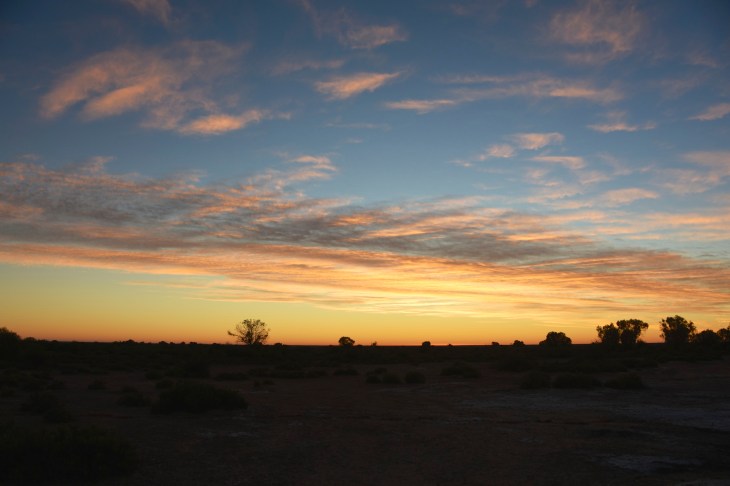
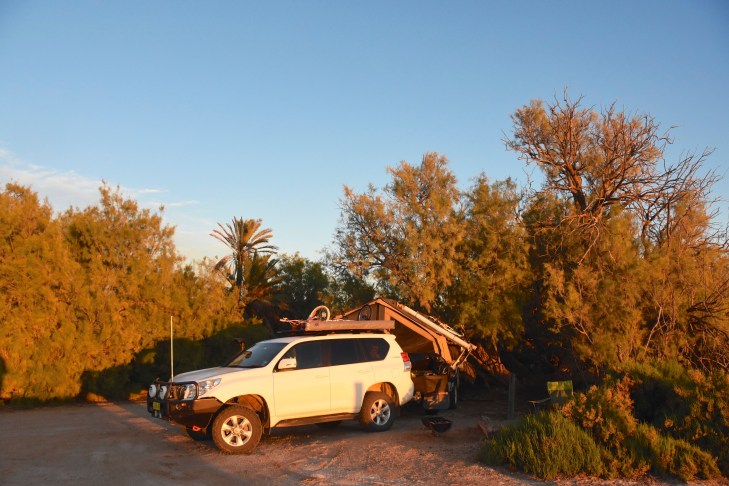
After watching a few eruptions, we drove the final leg to Coward Springs, where we would camp for the night. It was a beautiful campground, with sites set amongst the trees. There was also a small pool built there which was fed by the same springs as ‘the bubbler’. After setting up, Em and I headed over to soak the dirt and dust off our bodies, before Oli and Kat joined us. After a hearty meal of mac and cheese for dinner, we all collapsed into bed, exhausted from the many sights we explored that day. The next morning we were treated to a beautiful sunrise before packing up and heading on towards Oodnadatta. Em was particularly excited as she had heard that there was a pink roadhouse there.






 Wide open spaces